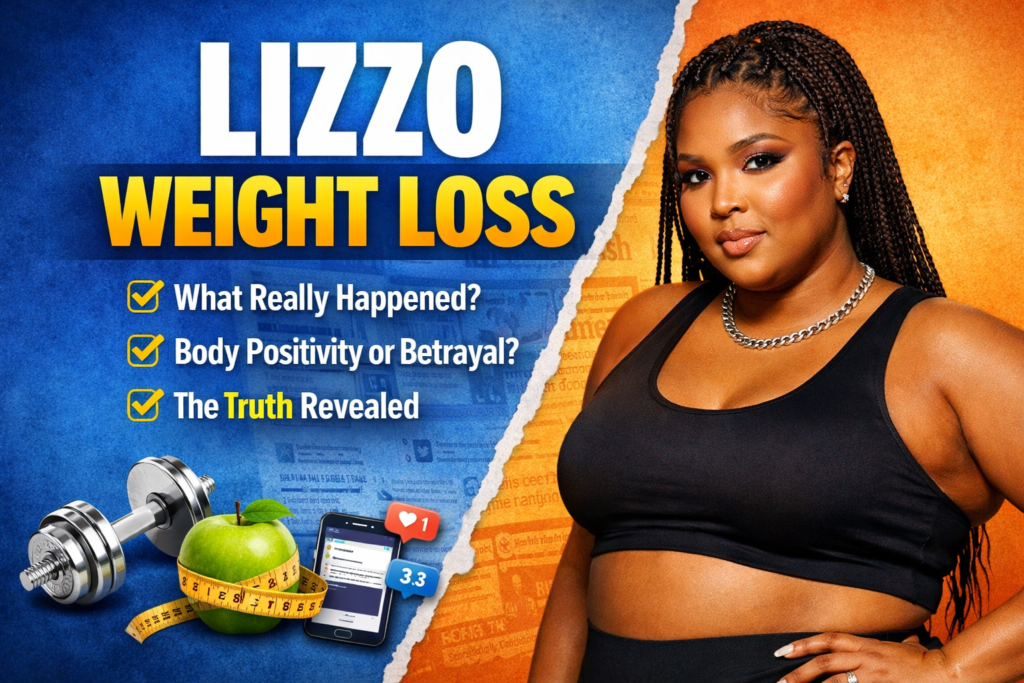
Lizzo Weight Loss: What Really Changed, What Didn’t, and Why the Internet Got It Wrong
The conversation around lizzo weight loss has become one of the most misunderstood celebrity health discussions in recent years. Depending on where you look, Lizzo is either praised for “finally getting healthy” or criticized for “abandoning body positivity.” Both reactions miss the point entirely.
This article is not here to flatter, defend blindly, or create drama. It is here to clarify facts, challenge lazy assumptions, and explain why the public reaction says more about society than it does about Lizzo herself.
Who Is Lizzo and Why Her Body Became a Public Debate
:contentReference[oaicite:0]{index=0} is more than a Grammy-winning artist. Over the years, she became a visible symbol of confidence, self-acceptance, and resistance to traditional beauty standards. Her unapologetic presence in music, fashion, and media made her body a cultural statement.
That visibility created a dangerous illusion: people began to feel ownership over her body. Once that happened, any physical change—intentional or not—was guaranteed to spark controversy.
The lizzo weight loss discussion did not start because Lizzo announced a transformation. It started because people noticed changes and immediately attached their own beliefs to them.
Did Lizzo Actually Lose Weight?
Yes. Lizzo has openly acknowledged that her body has changed. She has also been clear about how and why.
What she did not do:
- Promote crash dieting
- Sell a weight loss program
- Shame her previous body
- Claim thinness equals success
What she did do:
- Improve her nutrition
- Commit to regular movement
- Prioritize mental health
- Reduce stress
- Focus on long-term wellness
The key detail most people ignore is this: weight loss was a result, not the goal.
The Biggest Misunderstanding About Lizzo Weight Loss
Critics often say that Lizzo contradicted her body-positive message by losing weight. This argument collapses under basic logic.
Body positivity does not mean staying the same forever. It does not mean rejecting health, discipline, or personal change. It means that a person’s value does not depend on their size.
If body positivity only applies at one specific weight, then it was never about positivity—it was about comfort.
The truth is uncomfortable for some people: supporting body autonomy means supporting change, even when it challenges your expectations.
Health vs Appearance: A Line Most People Refuse to Separate
The internet treats weight loss as a moral event. That is the problem.
Weight loss can be healthy. It can also be unhealthy. The same is true for weight gain. Without medical context, lifestyle details, and mental health considerations, judging someone’s health based on appearance alone is intellectually lazy.
Lizzo never framed her journey as an aesthetic upgrade. She framed it as self-care.
The backlash around lizzo weight loss exists because people are uncomfortable with a simple truth: you can love your body and still want to change it.
Why Lizzo Weight Loss Triggered So Many People
The intensity of the reaction was not accidental. It revealed three underlying issues.
1. Emotional Dependency on Representation
Some fans used Lizzo as emotional permission to avoid confronting their own health or self-image struggles. When she changed, that permission felt threatened.
2. Misunderstanding Body Positivity
Body positivity was never meant to freeze people in one physical state. Growth, aging, health changes, and personal goals are part of being human.
3. Confusing Visibility With Obligation
Lizzo does not owe consistency to anyone’s expectations. Representation does not mean permanent performance.
The Fitness Industry Tried to Hijack the Narrative
As expected, clickbait media and fitness influencers rushed to capitalize on the lizzo weight loss conversation. Headlines exaggerated timelines. Influencers implied methods she never endorsed.
Lizzo herself avoided feeding that machine. No sponsored detoxes. No miracle routines. No “before and after” campaigns.
That restraint is intentional—and rare.
What Lizzo Weight Loss Actually Teaches
If you strip away emotional reactions and social media noise, the lessons are clear:
- Self-love and self-improvement are not opposites
- Health decisions do not require public approval
- Body autonomy includes the right to change
- Celebrity bodies are not personal validation tools
If someone feels betrayed by Lizzo’s choices, the issue is not her actions—it is misplaced expectations.
Why This Conversation Matters Beyond Lizzo
The reason lizzo weight loss continues to trend is because society still struggles with unconditional acceptance.
True body positivity means supporting people:
- Before change
- During change
- After change
Anything else is conditional support disguised as progress.
Final Thoughts
Lizzo did not abandon body positivity. She exercised autonomy.
Her weight loss does not invalidate her message. The backlash simply exposes how uncomfortable people become when growth does not align with their narrative.
If you care about health, focus on your own. If you care about music, listen to the music. If you care about body positivity, apply it without conditions.
The rest is noise.